
When planning a kitchen, choosing the right kitchen splashback is one of those decisions that seems simple at first but often needs more thought. It sits right behind your cooking area, gets used every day and plays a bigger role in the overall look than most people expect.
Two of the most common options are glass splashbacks and tile splashbacks. Both have been used in kitchens for years and both can work well depending on what you’re looking for. The difference comes down to how they look, how easy they are to maintain and how they fit into your day to day kitchen use.
If you’re trying to decide between the two, here’s a straightforward comparison to help you make the right choice.
Glass Splashbacks: Simple, Modern and Low Maintenance
Glass splashbacks have become increasingly popular, especially in modern kitchens.
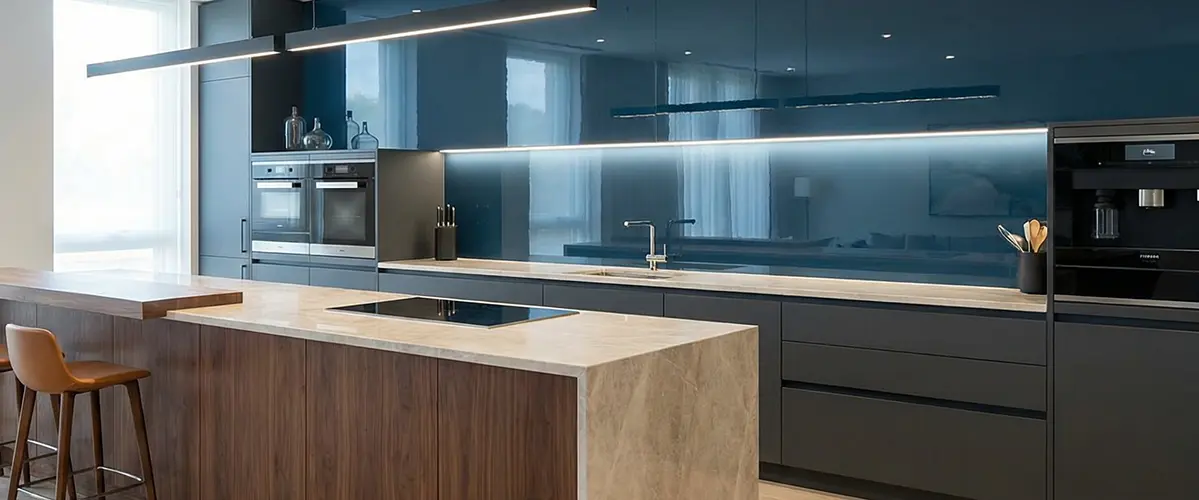
The main reason is their clean finish. A single glass panel creates a smooth, uninterrupted surface with no breaks or lines. This gives the kitchen a more polished and contemporary feel.
They’re also very easy to clean. Because there are no grout lines, grease and food splashes don’t have anywhere to build up. Most of the time, a quick wipe is enough.
In terms of durability, glass splashbacks are usually made from toughened glass. This means they can handle heat from the hob and regular kitchen use without any problems.
They also offer a wide range of colour options, so it’s easy to match them with cabinets or worktops.
Tile Splashbacks: Traditional and Flexible in Style
Tile splashbacks have been used in kitchens for decades and they’re still a popular choice in many homes.
One of their biggest advantages is flexibility. Tiles come in different shapes, sizes, colours and patterns. This allows you to create anything from a simple neutral wall to a more decorative feature.
They can suit both traditional and modern kitchens, depending on the style you choose.
However, tiles do come with one drawback that often becomes noticeable over time – the grout lines. Grout can collect grease, stains and moisture, which means it needs regular cleaning to keep it looking fresh. Over time, it may also discolour.
That doesn’t mean tiles aren’t a good option, but it’s something to consider if you want a low maintenance kitchen.
Key Differences at a Glance
To make things clearer, here’s how glass and tile splashbacks compare side by side:
| Feature | Glass Splashbacks | Tile Splashbacks |
| Appearance | Smooth, seamless, modern | Patterned, traditional or decorative |
| Cleaning | Very easy, no grout lines | Requires cleaning between tiles |
| Maintenance | Low | Moderate to high (grout upkeep) |
| Heat Resistance | High (toughened glass) | High |
| Customisation | Wide colour matching options | Wide variety of styles and patterns |
| Installation | Single panel fitting | Multiple tiles, more time consuming |
| Best For | Modern, minimal kitchens | Classic or detailed designs |
Which One Works Better in Modern Kitchens?
If you’re aiming for a modern kitchen, glass splashbacks tend to fit more naturally.
Their seamless finish works well with handleless cabinets, clean worktops and simple colour palettes. They also help keep the space feeling uncluttered.
Tiles, on the other hand, can introduce more visual detail. This can work well if you want texture or pattern, but in some modern kitchens, it can feel slightly busier.
That said, simple tile designs like large format tiles or neutral colours can still work in contemporary spaces.
Practical Use
This is where the difference becomes more noticeable over time.
In a busy kitchen, cleaning tends to be one of the biggest factors. Glass splashbacks are easier to wipe down because there are no gaps or joints.
With tiles, the surface itself is easy to clean, but the grout lines usually require extra attention.
If you cook regularly, this is something you’ll likely notice quite quickly.
Cost Considerations
Cost can vary depending on the materials and design you choose.
- Tiles are often seen as the more budget friendly option upfront, especially if you choose standard designs. However, installation can take longer, which may increase labour costs.
- Glass splashbacks can cost more initially, particularly if they are custom made. But they are often quicker to install and require less ongoing maintenance.
In the long run, the difference in cost isn’t always as large as it first appears.
Both glass splashbacks and tile splashbacks have their place in kitchen design. Glass is usually the preferred choice for modern kitchens where simplicity, easy maintenance and a clean finish are important. Tiles offer more flexibility in terms of patterns and styles, which can suit more traditional or decorative spaces.
The right choice really depends on how you use your kitchen and the overall look you’re trying to achieve. If you’re leaning towards a cleaner and more modern finish, glass splashbacks are a great place to start.
Explore the Simply Splashbacks range to find colours and styles designed to suit modern kitchens across the UK and get a free quote to move forward with confidence.